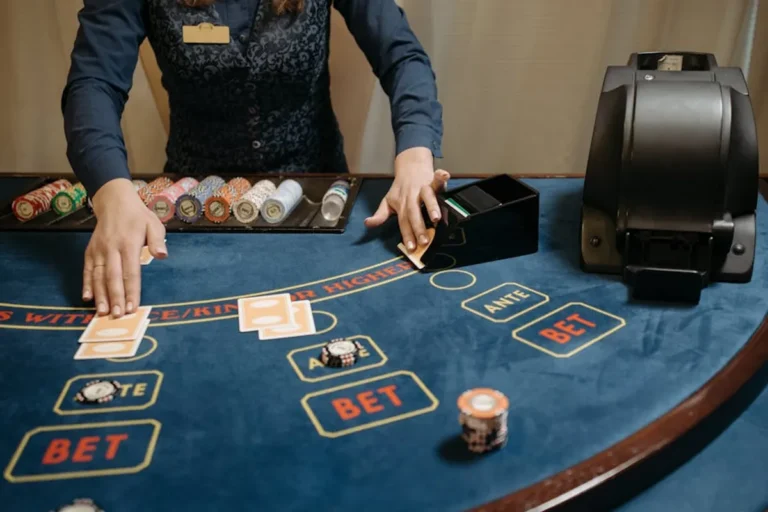

A progressive jackpot represents a prize pool that grows continuously as players engage with a specific game or network of games. Unlike fixed jackpots, which offer a predetermined payout, a progressive jackpot accumulates value from a portion of every wager placed, creating a dynamic and often significantly larger potential payout. This mechanism is specifically designed to attract and sustain player interest by offering the allure of a life-changing sum, directly impacting player engagement metrics and overall game popularity.
The core commercial utility of a progressive jackpot lies in its ability to generate excitement and drive prolonged play. As the jackpot total escalates, its visibility increases, acting as a powerful marketing draw. Players are motivated by the prospect of winning a sum far greater than typical game payouts, leading to extended sessions and increased participation rates across the linked games. Understanding the operational mechanics and types of progressive jackpots is crucial for appreciating their strategic role in game ecosystems.
How Progressive Jackpots Accumulate Value
The growth of a progressive jackpot is a direct function of player activity. Each time a player makes a qualifying wager on a linked game, a small, predetermined percentage of that wager is diverted into the progressive prize pool. This accumulation continues until a player triggers the win condition, resetting the jackpot to a predefined "seed" amount.
For example, if a game has a 1% contribution rate to its progressive jackpot, and players collectively wager $100,000, the jackpot will increase by $1,000. This continuous, visible accumulation creates a compelling narrative around the game, as the potential reward grows larger with every spin or round played across the network.
Seed Amounts and Reset Mechanisms
Upon being won, a progressive jackpot does not start from zero. Instead, it resets to a "seed" amount, which is a fixed sum provided by the game operator or network. This seed ensures that even immediately after a win, the jackpot still presents an attractive, albeit smaller, prize to new players. The size of the seed amount often correlates with the typical size of the jackpot before it is won, maintaining a base level of appeal.
The reset mechanism is critical for maintaining the game's long-term commercial viability. It allows the cycle of accumulation and excitement to restart, ensuring continuous player interest without requiring an initial full build-up from scratch.
Types of Progressive Jackpots
Progressive jackpots are not monolithic; they are deployed in several configurations, each with distinct operational characteristics and player appeal. These variations dictate the speed of accumulation, the potential size of the prize, and the scope of player participation.
- Standalone Progressives: These jackpots are tied to a single game machine or online game. The prize pool accumulates only from wagers made on that specific unit. While they tend to grow slower and offer smaller maximum payouts compared to networked jackpots, they provide a clear, direct link between individual play and jackpot growth.
- Local Area Network (LAN) Progressives: These connect multiple games or machines within a single physical location or across a limited online platform. The jackpot grows from contributions across all linked units, leading to faster accumulation and larger prize pools than standalone versions. This type fosters a communal sense of excitement among players in the same environment.
- Wide Area Network (WAN) Progressives: Representing the largest and most commercially impactful category, WAN progressives link games across multiple locations or entire online platforms. Contributions from a vast player base lead to rapid accumulation and frequently generate multi-million dollar payouts. These jackpots are often the subject of significant media attention due to their life-changing prize potential, serving as a major draw for operators.
- Mystery Jackpots: Unlike traditional progressives where a specific game combination triggers the win, mystery jackpots are awarded randomly, often within a specified range (e.g., guaranteed to hit before $10,000). The unpredictability adds an extra layer of excitement, as any spin could be the winning one, regardless of the symbols displayed.
- Must-Drop Jackpots: A variant of mystery jackpots, these are guaranteed to hit before a certain time or value threshold. For example, a jackpot might be guaranteed to drop before it reaches $5,000, or before a specific hour of the day. This creates a sense of urgency and increased engagement as the deadline or value limit approaches.
Pro Tip: Evaluate the specific type of progressive jackpot offered by a game. Wide Area Network jackpots typically offer the largest payouts due to their broad contribution base, but also feature lower odds of winning. Standalone or Local Area Network jackpots may offer more frequent, albeit smaller, wins, aligning with different player motivations and engagement strategies.
Commercial Impact and Player Engagement
The commercial success of progressive jackpots stems from their innate ability to capture player imagination. The visual display of a continuously increasing prize pool creates a strong psychological draw, encouraging extended play sessions and attracting new players specifically seeking the thrill of a massive win.
From a strategic perspective, progressive jackpots function as powerful marketing assets. They differentiate games in competitive markets and provide compelling content for promotional campaigns. The potential for a "big win" narrative is a significant driver of organic interest and player acquisition, ultimately impacting overall revenue streams and brand recognition for the platforms hosting these games.
Understanding Your Progressive Jackpot Landscape
When considering games featuring progressive jackpots, it is essential to move beyond the headline-grabbing prize figures and understand the underlying mechanics. The frequency of payouts, the contribution rates, the seed amount, and the specific type of network (standalone, local, or wide-area) all influence the player experience and the commercial dynamics of the game.
Successful engagement with progressive jackpots, whether as a player or an observer of market trends, hinges on appreciating how these complex systems are designed to maximize both excitement and operational sustainability. The balance between the dream of a large payout and the statistical realities of winning defines the enduring appeal of this game feature.
Frequently Asked Questions
What determines the size of a progressive jackpot?
The size of a progressive jackpot is determined by the cumulative contributions from player wagers across all linked games, minus any previous payouts, plus the initial seed amount. A small percentage of each qualifying bet is added to the prize pool, causing it to grow continuously until won.
Are progressive jackpots fair?
Yes, progressive jackpots operate on random number generator (RNG) technology, ensuring that each game outcome is independent and unpredictable. The odds of winning are typically very low due to the large prize pools and wide player bases, but the system itself is designed for fairness.
Do I need to bet the maximum amount to win a progressive jackpot?
In many cases, yes. Most progressive jackpot games require players to place a maximum bet or a specific qualifying wager to be eligible for the progressive prize. Failing to meet this requirement often means only being eligible for standard game payouts, even if the jackpot-winning combination appears.
What happens when a progressive jackpot is won?
When a progressive jackpot is won, the prize pool immediately resets to its predetermined seed amount. The winning player receives the full jackpot amount (or a portion if paid in installments, depending on the game rules), and the accumulation process begins again from the seed value for all linked games.