
For site operators and content strategists, understanding player preference is fundamental to acquisition and retention. The choice between slots and live casino games often boils down to perceived ease of understanding, a critical factor influencing initial player engagement and long-term loyalty. This comparison examines the inherent complexities and accessibility of each game type, providing a framework for positioning content and managing player expectations effectively.
Understanding Slots: Simplicity and Automation
Slots are designed for immediate accessibility, requiring minimal prior knowledge or strategic input from the player. The core mechanic involves spinning reels to match symbols across predefined paylines. This process is largely automated; players typically set a bet amount, press a button, and observe the outcome.
Key Characteristics of Slot Gameplay
- Intuitive Interface: Most slots feature a clear 'Spin' button and visible bet adjustments, making the primary interaction straightforward.
- Automated Outcomes: Random Number Generators (RNGs) determine results instantly, removing any need for player decision-making during gameplay.
- Rule Simplicity: While modern slots incorporate various bonus rounds, wild symbols, and scatters, the fundamental goal—matching symbols—remains consistent and easy to grasp.
- Self-Paced Play: Players control the speed of each spin, allowing for casual engagement without external pressure.
Best for: Players seeking immediate entertainment, low cognitive load, and quick sessions without extensive rule memorization or strategic planning. The ease of understanding makes slots a primary entry point for new casino players.
Understanding Live Casino Games: Interaction and Strategy
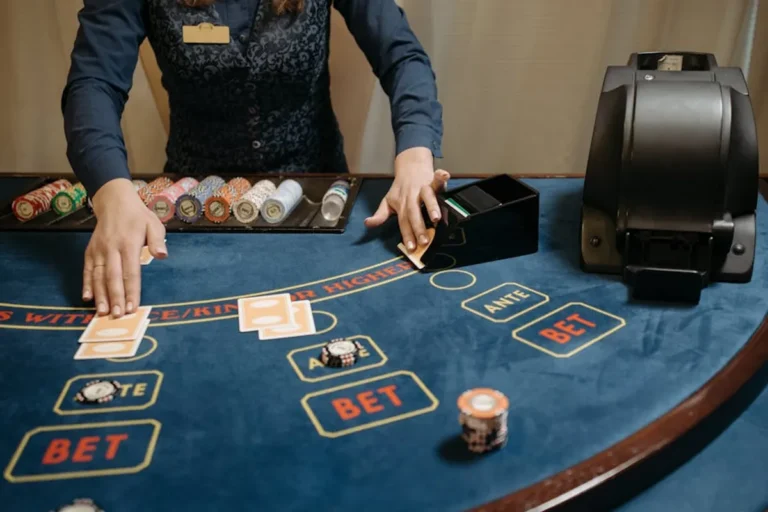
Live casino games, such as blackjack, roulette, baccarat, and various poker variants, replicate the experience of a physical casino floor. They feature real human dealers, physical equipment (cards, wheels), and real-time interaction, streamed directly to the player. This setup introduces a layer of complexity absent in automated slots.
Key Characteristics of Live Casino Gameplay
- Rule-Based Decision Making: Each game type has specific rules, betting options, and optimal strategies that players must learn and apply. For instance, blackjack requires decisions on hitting, standing, or doubling down based on card values.
- Real-Time Interaction: Games proceed at the pace of the dealer and other players, often with time limits for making decisions, which can introduce pressure.
- Social Dynamics: Players interact with the dealer and sometimes other players via chat functions, requiring a basic understanding of etiquette.
- Strategic Depth: Many live games offer opportunities for strategic play that can influence outcomes, demanding higher cognitive engagement and skill development.
Best for: Players who enjoy a more immersive, social, and strategic experience. The higher learning curve is often offset by the perceived authenticity and the potential for skill-based influence on results.
Core Differences in Learning Curve
The fundamental distinction in ease of understanding lies in the degree of player agency and the complexity of game mechanics. Slots abstract away most decision-making, presenting a clear cause-and-effect (spin button leads to outcome). Live casino games, conversely, demand active participation and a comprehension of game-specific rules and strategic implications.
Automation Versus Participation
Slots operate on a "push-button" model, where the primary input is initiating a spin. The game logic handles all calculations and determinations. Live casino games, however, require players to understand their options (e.g., where to place bets on a roulette table, when to draw a card in blackjack) and execute decisions within a given timeframe. This participatory element inherently raises the learning barrier.
Rule Complexity and Strategic Depth
While slot machines can have intricate bonus features, the base game rules are universally simple: match symbols. Live casino games, by contrast, possess distinct rule sets that must be internalized. Mastering blackjack basic strategy or understanding poker hand rankings represents a significantly steeper learning curve than comprehending slot paylines. This strategic depth, while appealing to some, can be intimidating for newcomers.
Pro Tip for Content Creators: When targeting new players, emphasize the immediate gratification and low barrier to entry for slots. For live casino content, focus on clear rule explanations, strategy guides, and the immersive experience to attract players willing to invest time in learning.
Factors Influencing Perceived Ease
Player background significantly influences how easily they perceive game rules. Individuals familiar with traditional card games may find live blackjack or poker more intuitive than someone entirely new to casino environments. Similarly, the specific variant of a game matters; simple European Roulette is easier to grasp than complex multi-hand poker variants. The availability of in-game instructions, demo modes (for slots), and clear user interfaces also contribute to the overall ease of understanding.
Strategic Considerations for Operators
For SEO professionals and site owners, recognizing these differences is crucial for content segmentation and player targeting. Content promoting slots should highlight their simplicity, entertainment value, and quick play. Conversely, content for live casino games should address the need for learning, offering guides, strategy tips, and emphasizing the authentic casino experience and social interaction. This targeted approach ensures that marketing efforts align with player expectations and skill levels, improving conversion and retention metrics.
Making an Informed Choice
Ultimately, the "easier to understand" label unequivocally applies to slots due to their automated gameplay, minimal decision-making, and intuitive mechanics. Live casino games, while offering a richer, more interactive experience, demand a higher initial investment in learning rules and strategy. For operators, catering to both preferences with clear, targeted content is essential for building a diverse and engaged player base. Understanding these distinctions allows for more precise content creation and a better user journey, whether a player seeks instant gratification or strategic depth.
Frequently Asked Questions
Which type of game is better for new players?
Slots are generally better for new players because they require no prior knowledge or strategic decisions, offering immediate entertainment and a low barrier to entry.
Do live casino games require specific skills?
Yes, many live casino games, such as blackjack and poker, involve strategic decision-making and require players to learn specific rules and optimal strategies to improve their chances.
Can I try slots or live casino games for free to understand them?
Many slot games offer demo or free-play modes where you can understand the mechanics without wagering real money. Live casino games typically do not offer free play, but you can often observe games as a spectator.
Are the rules for all slot games the same?
The core mechanic of matching symbols is consistent, but specific slot games vary widely in their themes, bonus features, paylines, and volatility. Each game has its unique paytable and feature set.