Slot machines offer dynamic entertainment, delivering quick thrills and the potential for significant wins. Their fast-paced nature, however, also necessitates a structured approach to play, ensuring the experience remains positive and within personal limits. Adopting responsible gambling practices is not about diminishing the fun; it's about safeguarding it, allowing players to engage with slots as a form of leisure without incurring undue financial or personal stress. This involves more than just setting a budget; it encompasses understanding game mechanics, recognizing psychological triggers, and utilizing available tools to maintain control. This involves more than just setting a budget; it encompasses understanding game mechanics, recognizing psychological triggers, and understanding slot machine volatility.
Setting Clear Boundaries Before You Play
Effective responsible gambling begins before the first spin. Pre-setting limits establishes a framework for play that reduces the likelihood of impulsive decisions once a session is underway.
Establish a Budget and Stick to It
A defined budget is the cornerstone of responsible slot play. This amount should be discretionary income, meaning money you can afford to lose without impacting essential expenses like rent, groceries, or bills. Crucially, this budget should be set for a specific period—daily, weekly, or monthly—and once depleted, play must cease until the next period begins. For slot players, whose games can involve rapid wagering, separating this budget from other funds, perhaps by using a dedicated payment method or a pre-paid card, can provide a tangible barrier against overspending.
Time Management for Slot Sessions
The immersive nature of slot machines, with their engaging graphics and sound effects, can make time pass quickly. Setting a time limit for each playing session, such as 30 minutes or an hour, is as vital as a monetary budget. Use an external timer or alarm to signal the end of your session, regardless of whether you are up or down. This practice prevents prolonged play that can lead to fatigue, impaired judgment, and chasing losses.
Understanding Slot Mechanics and Psychology
A deeper comprehension of how slot machines operate and the psychological elements they employ can empower players to make more informed decisions.
Dispelling Myths About "Hot" and "Cold" Slots
A common misconception among slot players is the belief in "hot" or "cold" machines—that a slot is due for a win after a series of losses, or unlikely to pay out after a big win. Modern slot machines operate using a Random Number Generator (RNG), a sophisticated algorithm that ensures each spin is an entirely independent event. The outcome of one spin has no bearing on the next. Understanding this mathematical independence helps players avoid increasing bets in pursuit of a "due" win or continuing play based on past results, which are statistically irrelevant.
Recognizing the Near-Miss Effect and Other Biases
Slot game design often incorporates elements that can influence player perception. The "near-miss" effect, where symbols land just short of a winning combination, can create the illusion that a win was very close, encouraging continued play. Similarly, intermittent reinforcement—the unpredictable nature of wins—can be highly addictive. Recognizing these design choices as psychological tools, rather than indicators of impending success, allows players to approach the game with a more rational perspective.
Practical Strategies During Play
Even with pre-set limits, specific actions during a session can reinforce responsible habits.
Utilize Self-Exclusion and Deposit Limits
Many reputable online platforms offer self-exclusion programs and deposit limits as built-in responsible gambling tools. Deposit limits allow players to cap the amount of money they can deposit into their account over a specified period (e.g., daily, weekly, monthly). Self-exclusion, a more drastic measure, allows players to voluntarily ban themselves from a platform for a set duration. These tools are effective, direct methods for enforcing financial discipline and preventing access during vulnerable periods.
Avoid Chasing Losses
One of the most detrimental behaviors in gambling is attempting to recover lost money by continuing to play or increasing stakes. Chasing losses almost invariably leads to further losses. When your pre-set budget is exhausted, or your time limit is reached, stop playing. Accept that losses are a part of the game and not a signal to invest more resources to "break even."
Take Regular Breaks
Short, frequent breaks during a slot session can help maintain perspective and prevent fatigue. Step away from the screen, engage in a different activity, or simply get a drink of water. These pauses allow for a mental reset, reducing the likelihood of making impulsive decisions driven by emotion rather than strategy.
Pro Tip: Never gamble when you are feeling stressed, upset, or under the influence of alcohol or drugs. Emotional states significantly impair judgment, leading to deviations from pre-set limits and responsible play strategies. Always approach slots with a clear mind.
Beyond the Game: Maintaining a Balanced Perspective
Responsible gambling extends beyond the immediate playing session, integrating into a broader lifestyle.
Gambling as Entertainment, Not Income
It is crucial to consistently view slot play, and all forms of gambling, as a form of entertainment with a cost, similar to buying a movie ticket or attending a concert. It is not a reliable source of income or a solution to financial problems. This mindset shift helps manage expectations and prevents the development of unhealthy dependencies.
Seek Support When Needed
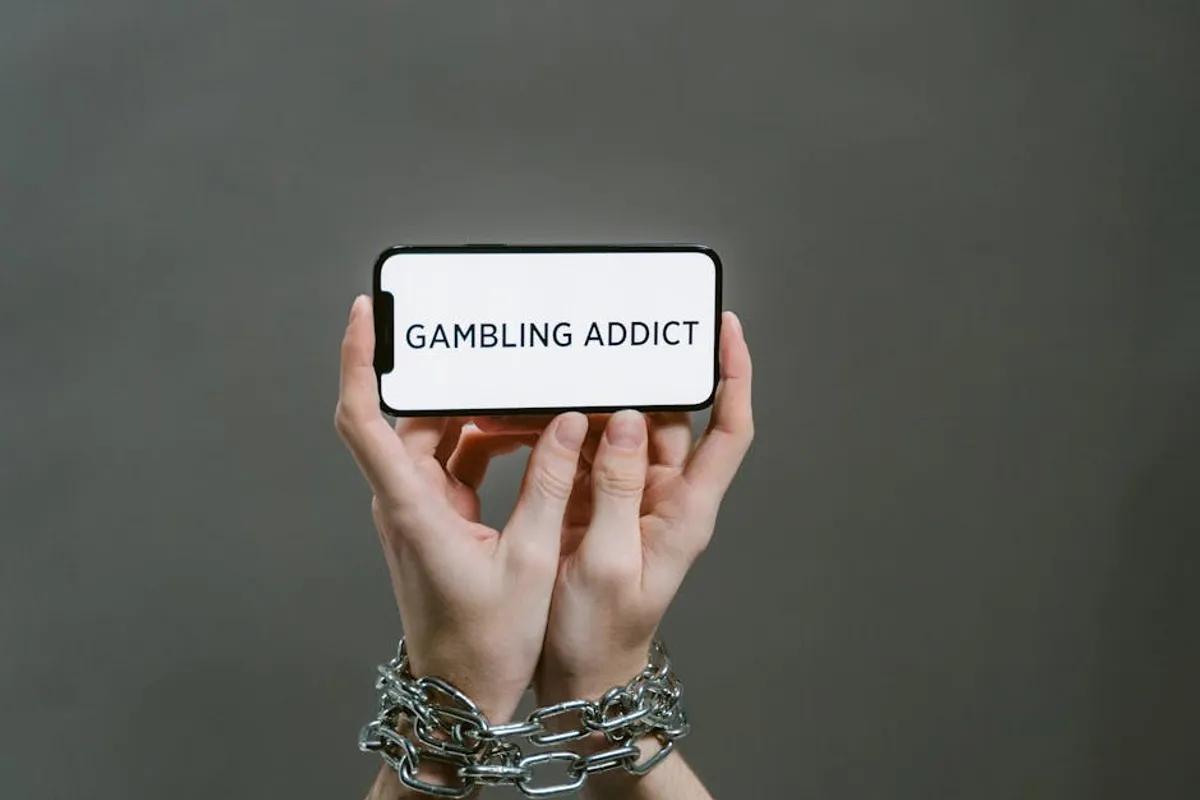
If slot play begins to feel less like entertainment and more like an uncontrollable compulsion, or if it starts to negatively impact personal finances, relationships, or mental health, seeking professional help is a responsible and necessary step. Numerous organizations offer confidential support and resources for individuals struggling with problem gambling.
- Recognize early warning signs, such as increasing bet sizes or spending more than intended.
- Discuss concerns with a trusted friend or family member.
- Research and contact local or national problem gambling helplines and support groups.
Practical Steps for Sustainable Play
To ensure slot play remains a positive and controlled activity, implement these actionable steps consistently:
- Define and adhere to strict monetary and time budgets for every session.
- Understand that slot outcomes are random; past results do not predict future ones.
- Utilize platform-provided tools like deposit limits and self-exclusion.
- Never attempt to recover losses by continuing to play.
- Integrate slot play as one of many leisure activities, not the primary one.
- Be aware of your emotional state and avoid playing when stressed or impaired.
- Do not hesitate to seek help if gambling becomes problematic.
By integrating these responsible gambling tips, slot players can maximize their enjoyment and minimize potential risks, fostering a healthy and sustainable relationship with the game.
Frequently Asked Questions
How do I know if I'm spending too much time or money on slots?
If slot play begins to interfere with your daily responsibilities, relationships, or financial stability, or if you find yourself exceeding pre-set budgets and time limits repeatedly, it's a strong indicator that you might be spending too much. Honest self-assessment and feedback from trusted individuals can also provide insight.
What are "deposit limits" and how do they help?
Deposit limits are tools offered by online gambling platforms that allow you to set a maximum amount of money you can deposit into your account over a specific period (e.g., daily, weekly, monthly). Once this limit is reached, you cannot deposit more funds until the period resets, effectively preventing overspending.
Can I really influence the outcome of a slot machine?
No, you cannot influence the outcome of a modern slot machine. They operate using a Random Number Generator (RNG), which ensures each spin is completely independent and random. Skill, strategy, or past results have no bearing on future outcomes. The only factor you can control is your betting amount and when you choose to stop playing.
Where can I find help if I feel I have a gambling problem?
If you or someone you know is struggling with gambling, numerous organizations offer support. These often include national problem gambling helplines, local counseling services, and support groups. A quick online search for "problem gambling help" in your region will typically provide relevant resources and contact information.