Live dealer games offer a distinct bridge between the convenience of online play and the immersive atmosphere of a physical casino. For new players, understanding the underlying mechanics and operational flow is crucial for a confident entry. Unlike traditional online casino games that rely entirely on Random Number Generators (RNGs) to determine outcomes, live dealer options integrate real human dealers, physical gaming equipment, and live video streaming. This setup creates a transparent, interactive experience, addressing common concerns about fairness and providing a more social dimension to online gambling. This guide breaks down the operational aspects of live dealer games, detailing how they function from the studio floor to your screen, and what new players need to know to get started effectively.
The Operational Framework of Live Dealer Games
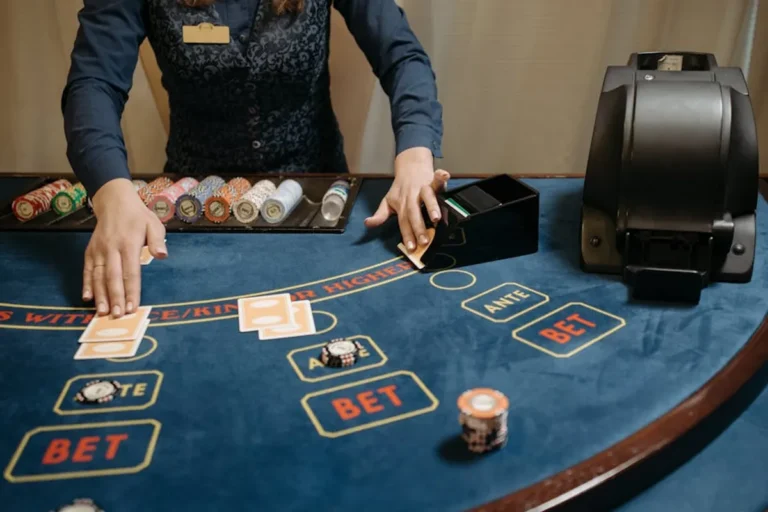
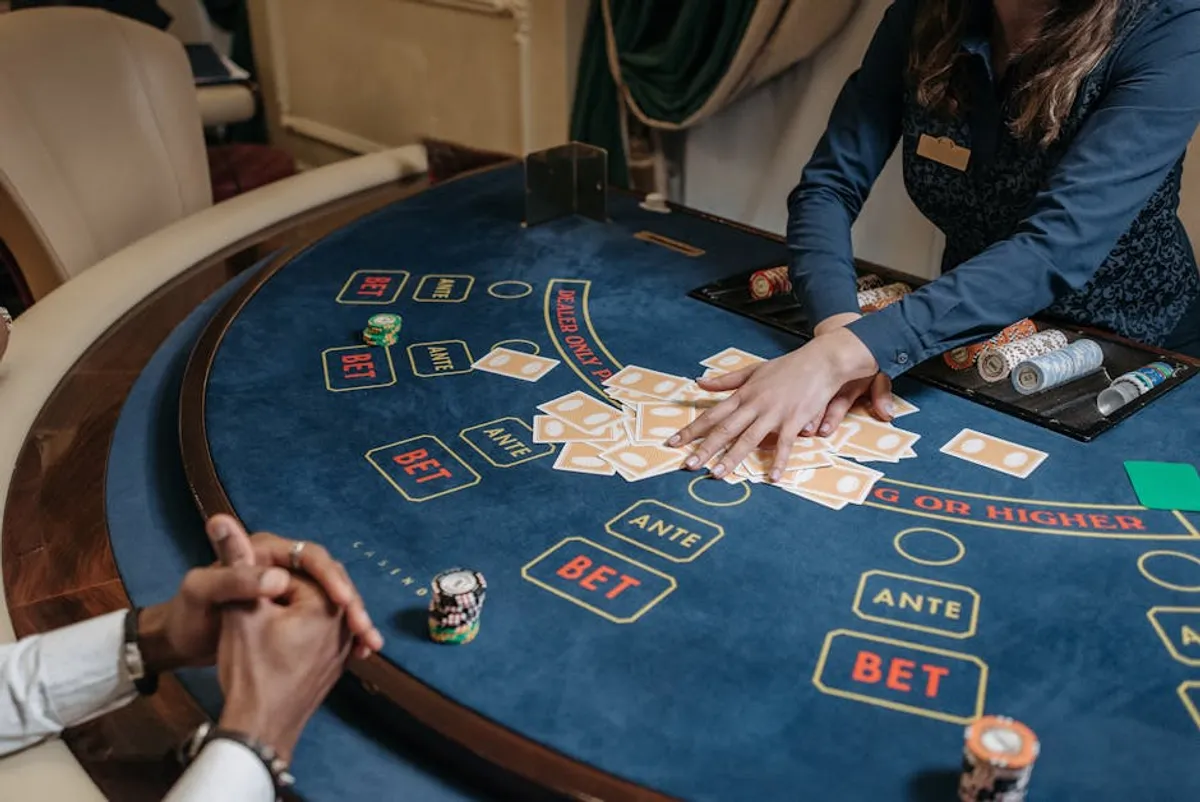
The core of any live dealer game is its real-time video stream, broadcast from a dedicated studio or, less commonly, a land-based casino floor. These studios are specifically designed to replicate a casino environment, complete with professional gaming tables, high-definition cameras, and trained dealers. The objective is to deliver an authentic gaming experience directly to a player's device, whether it's a desktop computer, tablet, or smartphone.
The distinction from standard online casino games is primarily in the outcome generation. While online slots or virtual table games use complex algorithms to ensure randomness, live dealer games utilize actual physical cards, roulette wheels, and dice. The dealer manages the game in real-time, just as they would in a brick-and-mortar establishment, with all actions captured and transmitted instantly.
Key Technological Components
Several integrated technologies work in concert to deliver the live dealer experience:
- High-Definition Cameras: Multiple cameras capture different angles of the game, including close-ups of card dealing, roulette wheel spins, and dice rolls. This ensures transparency and allows players to verify outcomes visually.
- Game Control Unit (GCU): This is a critical piece of hardware attached to every gaming table. The GCU encodes the video broadcast and assists the dealer in managing the game. It also acts as an interface for the dealer to enter game results, which are then relayed to players' screens and the game server.
- Optical Character Recognition (OCR) Software: OCR technology is employed to digitally translate physical actions into data. For instance, it reads the value of cards dealt or the winning number on a roulette wheel, displaying this information digitally on the player's interface. This seamless integration ensures that physical actions are accurately represented in the online environment.
- Player Interface: This is the software application on the player's device. It displays the live video feed, betting options, chat functionality, and game statistics. Players place bets and interact with the dealer through this interface, with their commands sent back to the game server.
- Secure Servers and Network Infrastructure: Robust server architecture and high-speed internet connections are essential to handle the continuous data stream, process bets, and maintain game integrity without lag or interruptions.
How Player Interaction and Betting Occur
Interaction in live dealer games is a blend of traditional casino mechanics and modern digital communication. Players observe the game unfolding in real-time and make decisions via their on-screen interface.
Betting Process: When a new round begins, the player interface displays available betting options and a timer. Players select their desired chip values and place them on the virtual betting layout. These bets are then registered by the game server. Once the timer expires, the dealer proceeds with the game (e.g., dealing cards, spinning the roulette wheel). The OCR technology captures the outcome, and the GCU transmits it to the server, which then calculates wins and losses, updating player balances automatically.
Communication with the Dealer: Most live dealer games include a chat window, allowing players to type messages directly to the dealer. The dealer, often equipped with a monitor displaying player chats, can respond verbally in real-time. This direct line of communication enhances the social aspect and allows players to ask questions or simply engage in friendly banter, much like at a physical table.
Pro Tip for New Players: Before joining a live dealer table, familiarize yourself with the game's rules and common betting strategies. While dealers are generally helpful, the pace of live games is faster than virtual versions, and understanding the basics beforehand allows for a smoother, more enjoyable experience without delaying other players.
Common Live Dealer Game Types
The variety of live dealer games has expanded significantly, offering options for diverse player preferences:
- Live Blackjack: Features real cards, a human dealer, and often allows for "bet behind" options if tables are full.
- Live Roulette: Uses a physical wheel and ball, with dealers spinning and announcing results. Variants like European, American, and French roulette are common.
- Live Baccarat: A popular card game with simple rules, often featuring multiple camera angles and statistical displays.
- Live Poker Variants: Games like Casino Hold'em, Three Card Poker, and Caribbean Stud Poker pit players against the house, not each other.
- Game Show Style Games: Innovative offerings such as Dream Catcher, Monopoly Live, and Crazy Time combine wheel-of-fortune mechanics with bonus rounds and interactive elements, providing a different entertainment style.
Best for: Players seeking higher transparency and social interaction than traditional online casino games.
Advantages for First-Time Players
For new players, live dealer games offer several compelling advantages:
Enhanced Trust and Transparency: Seeing a real dealer shuffle cards or spin a wheel can alleviate concerns about the fairness of RNGs, providing a tangible sense of trust. The physical equipment and human element make outcomes feel more authentic.
Immersive Experience: The high-definition streaming, studio ambiance, and direct interaction with dealers create a more engaging and immersive environment, closely mimicking the feeling of being in a physical casino without the need to travel.
Social Interaction: The ability to chat with dealers and sometimes other players adds a social dimension that is absent in standard online casino games, making the experience more dynamic and less solitary.
Pacing Control (within limits): While live games have a set pace, new players often find the rhythm more natural than the rapid-fire rounds of virtual games. This allows more time to consider decisions, especially in card games.
Practical Considerations for Getting Started
Before diving into live dealer games, new players should be aware of a few practical points:
- Internet Connection: A stable and fast internet connection is paramount for a seamless streaming experience. Interruptions can lead to missed bets or disconnections, impacting gameplay.
- Game Rules: Each game has specific rules. Many live platforms offer demo modes or information sections where players can review rules before committing real money. Understanding the game prevents costly mistakes.
- Table Limits: Live dealer tables often have a range of betting limits, from low stakes suitable for beginners to high roller options. Choose a table that aligns with your bankroll and comfort level.
- Etiquette: While online, basic casino etiquette still applies. Be respectful in chat, avoid abusive language, and understand that the dealer cannot influence game outcomes.
Navigating Your First Live Dealer Session
Starting with live dealer games involves selecting a reputable platform, choosing a game you understand, and managing your bankroll responsibly. Begin with lower-stakes tables to familiarize yourself with the pace and interaction without undue financial pressure. Utilize the chat function to ask the dealer basic questions if needed, but remember to keep the game moving. Focus on enjoying the blend of digital convenience and authentic casino atmosphere, allowing the transparency of the live stream to build confidence in the fairness of play.
Frequently Asked Questions
Q: Are live dealer games fair?
A: Yes, live dealer games are considered highly fair because they use physical equipment (cards, wheels, dice) operated by human dealers, with all actions streamed in real-time. This transparency allows players to visually verify outcomes, addressing concerns about algorithmic manipulation.
Q: Can I play live dealer games on my mobile device?
A: Most modern live dealer platforms are fully optimized for mobile play. You can typically access them through a mobile browser or a dedicated app, offering the same functionality and streaming quality as the desktop version.
Q: What happens if my internet connection drops during a game?
A: If your connection drops, your bet for that round is usually honored, and the game proceeds. If you had a winning bet, your account will be credited. For more complex situations, or if you need to make a decision (e.g., hit or stand in blackjack), the game's rules or the platform's support will dictate how the situation is handled, often defaulting to a standard strategy.
Q: Can I chat with other players at the table?
A: While you can always chat with the dealer, the ability to chat directly with other players varies by platform and specific game. Some games offer a public chat where all participants can interact, while others limit communication to dealer-player only.