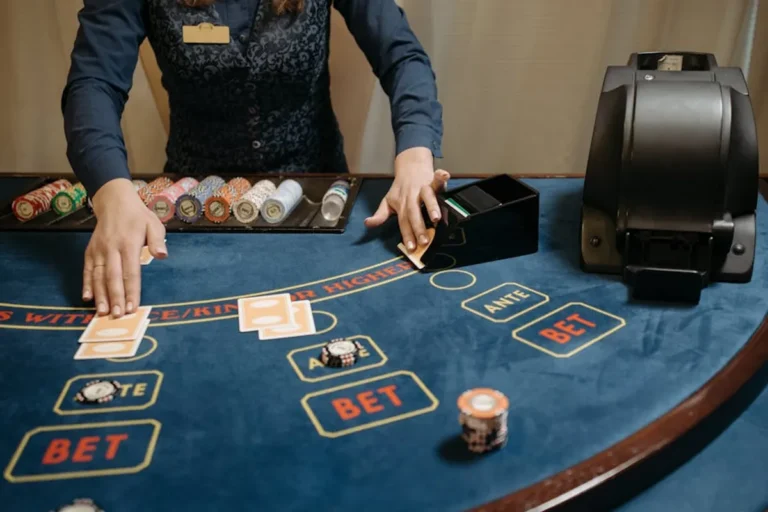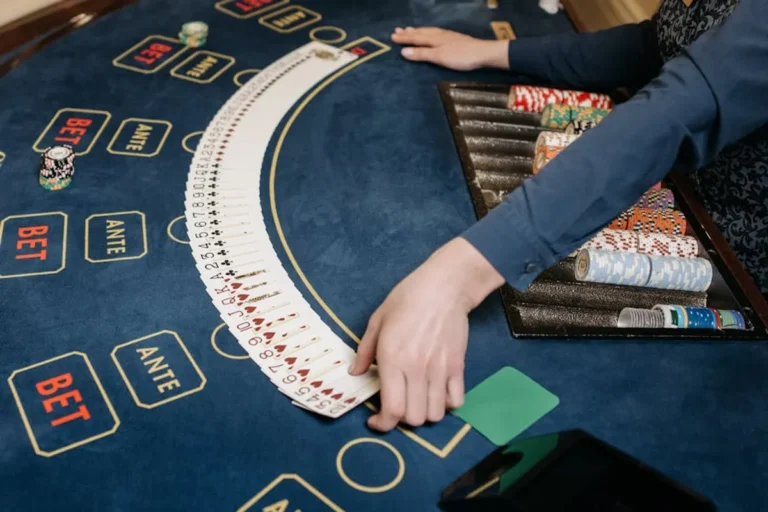
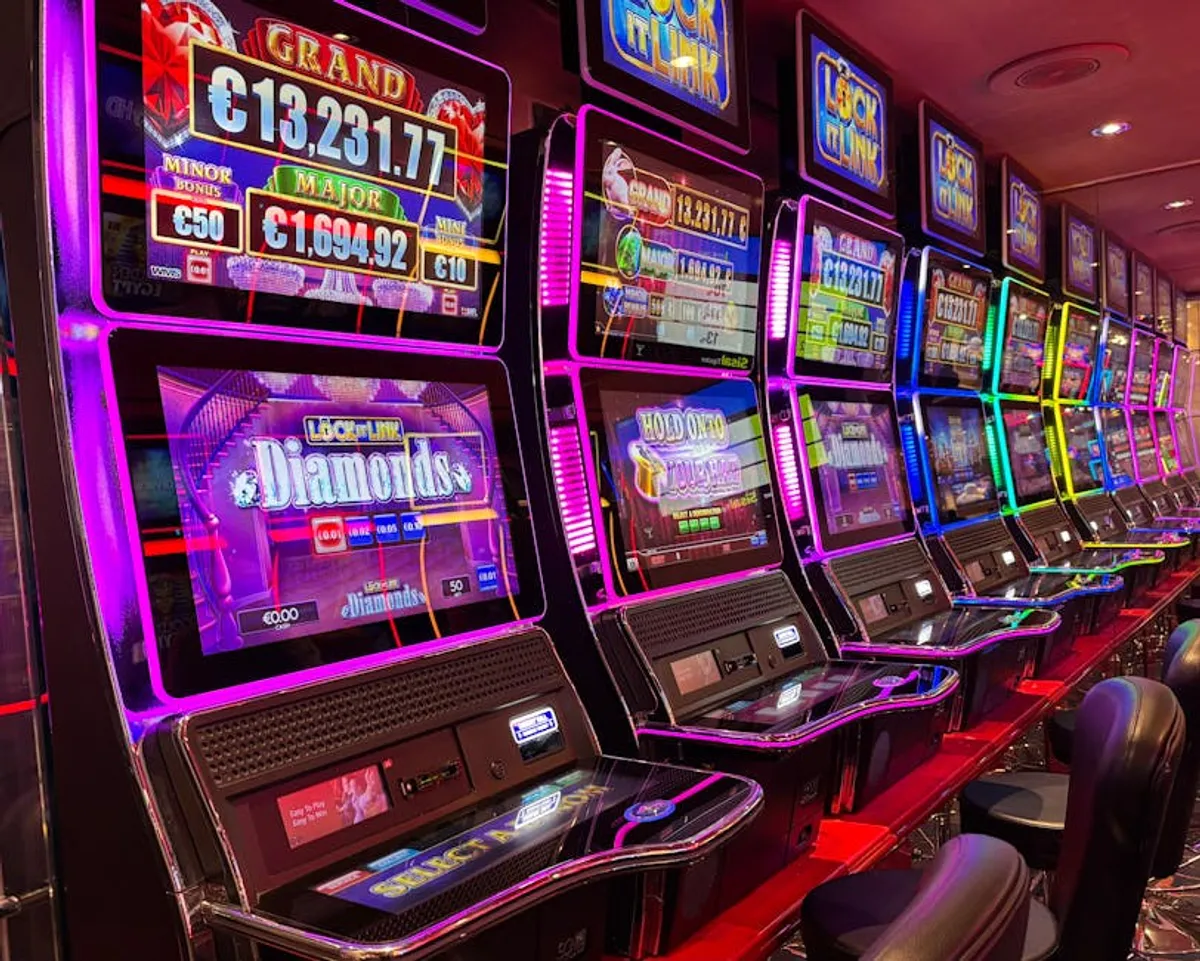
Casino loyalty programs represent a sophisticated application of retention marketing, designed to incentivize continued player engagement and maximize lifetime value for operators. These programs are not merely a perk; they are strategic frameworks built on data analysis and behavioral psychology to cultivate a loyal customer base. Understanding their mechanics reveals how casinos manage player relationships, segment audiences, and drive repeat business through structured reward systems.
The core objective for a casino is to extend player tenure and increase the average spend per player. For the player, the appeal lies in receiving tangible benefits and exclusive access that acknowledge and reward their activity. This symbiotic relationship is orchestrated through a variety of systems, from simple point accrual to multi-tiered VIP structures, each calibrated to foster a sense of progression and value.
Foundational Structures of Loyalty Programs
At their most basic, casino loyalty programs operate on a points-based system, where player activity directly translates into redeemable value or status progression. The sophistication lies in how these points are generated and what they unlock.
Point Accrual Mechanisms
The primary method for earning loyalty points is through real-money wagering. Casinos assign a specific point value to every unit of currency wagered on their games. This rate can vary significantly based on the game type:
- Slots: Often contribute 100% to point accumulation due to their higher house edge and rapid play cycles.
- Table Games: Blackjack, roulette, and baccarat typically contribute at a lower rate (e.g., 10-50%) due to their lower house edge and strategic elements.
- Live Dealer Games: Contributions usually mirror their RNG table game counterparts, though some operators might adjust for specific promotions.
- Sports Betting: Points are often awarded based on the stake and odds of a bet, with higher stakes or specific bet types earning more.
Some programs also award points for non-gaming activities, such as making deposits, participating in specific promotions, or even logging in daily, though these are less common as primary drivers.
Tiered Progression Systems
Most advanced loyalty programs employ a hierarchical tier system. Players start at a base level (e.g., Bronze, Silver) and accumulate points to ascend to higher tiers (e.g., Gold, Platinum, Diamond, VIP). Each tier unlocks progressively more valuable benefits. This structure serves several purposes:
- Incentivizes sustained play: Players are motivated to reach the next tier to access better rewards.
- Creates aspiration: Higher tiers often come with exclusive perks that differentiate members and foster a sense of elite status.
- Segments players: Allows casinos to categorize players by their engagement level and tailor offers accordingly.
Progression to a new tier often requires reaching a specific point threshold within a defined period (e.g., a month or quarter). Maintaining a tier usually requires earning a slightly lower number of points than the initial climb, or a specific level of activity.
The Spectrum of Player Rewards
The true value of a loyalty program for players lies in the rewards they can redeem. These incentives are designed to be appealing and varied, catering to different player preferences and engagement levels.
Common reward types include:
- Cashback: A percentage of net losses returned to the player, often as bonus funds or withdrawable cash.
- Bonus Funds: Extra credit added to a player's account, subject to wagering requirements.
- Free Spins: Complimentary rounds on specific slot games.
- Exclusive Promotions and Tournaments: Access to events with higher prize pools or unique structures not available to general players.
- Faster Withdrawals: Expedited processing times for payout requests.
- Dedicated Account Managers: Personalized support for high-tier members.
- Birthday Bonuses: Special offers or gifts on a player's birthday.
- Luxury Gifts and Experiences: For top-tier VIPs, this can include electronics, vacation packages, or invitations to exclusive events.
The economic value of these rewards is carefully calculated by the casino to ensure they remain attractive to players while maintaining profitability. Higher tiers typically receive a greater proportion of "hard" rewards (cashback, direct bonuses) with fewer wagering restrictions, reflecting their higher value to the operator.
Data-Driven Personalization and Retention
Modern casino loyalty programs are deeply integrated with data analytics. Casinos collect extensive information on player behavior, including:
- Game preferences and session durations.
- Deposit and withdrawal history.
- Wagering patterns and average bet sizes.
- Response rates to previous offers.
- Time of day and week activity peaks.
This data enables sophisticated player segmentation. Casinos can identify high-value players, those at risk of churning, or those who respond well to specific game types or bonus structures. Personalization is key: instead of generic offers, players receive tailored promotions, exclusive game access, or even proactive customer service based on their unique profile. This targeted approach significantly increases the likelihood of re-engagement and sustained play.
Pro Tip: For operators, transparent and clearly communicated terms and conditions for loyalty programs are paramount. Ambiguity around point accrual, tier requirements, or reward redemption can erode player trust and lead to regulatory scrutiny. Ensure all rules are easily accessible and understandable, especially regarding wagering requirements on bonus funds or free spins. Operators must prioritize clear communication, making checking casino terms and conditions straightforward for all players.
Operational and Marketing Imperatives
Implementing and managing a successful loyalty program requires robust operational infrastructure and strategic marketing. Operationally, casinos invest in CRM systems that track player data, automate reward distribution, and manage tier progression. Fraud detection mechanisms are also critical to prevent abuse of bonus systems. Budget allocation for rewards is a continuous process, balancing player incentives with overall financial health.
From a marketing perspective, the program's value proposition must be clearly articulated across all communication channels: website, email campaigns, in-app notifications, and social media. Messaging focuses on the benefits of progression, the exclusivity of higher tiers, and the tangible rewards available. Regular communication about point balances, tier status, and new redemption options keeps the program top-of-mind for players.
Optimizing Loyalty Program Impact
Effective casino loyalty programs are dynamic systems that continuously adapt based on player feedback, market trends, and regulatory changes. Their success hinges on a delicate balance: offering sufficiently attractive rewards to drive player loyalty without undermining the casino's profitability. This balance is achieved through meticulous data analysis, personalized communication, and a commitment to transparency. For operators, a well-executed loyalty program is an indispensable tool for long-term player retention and revenue growth in a competitive market.
Frequently Asked Questions
How do casinos determine loyalty program tiers?
Tiers are typically determined by the number of loyalty points a player accumulates within a specific timeframe, often a month or quarter. Higher tiers require more points, reflecting greater wagering activity.
What types of rewards are most common in casino loyalty programs?
Common rewards include cashback, bonus funds, free spins, exclusive access to promotions or tournaments, faster withdrawal processing, and dedicated account managers for high-tier members.
Are loyalty program points transferable between players?
Generally, loyalty program points are non-transferable and are tied to an individual player's account. This policy helps prevent fraud and ensures rewards are earned through personal activity.
How often do loyalty program terms and conditions change?
Terms and conditions can change periodically, often due to operational updates, regulatory requirements, or strategic adjustments. Casinos are typically required to notify players of significant changes in advance.